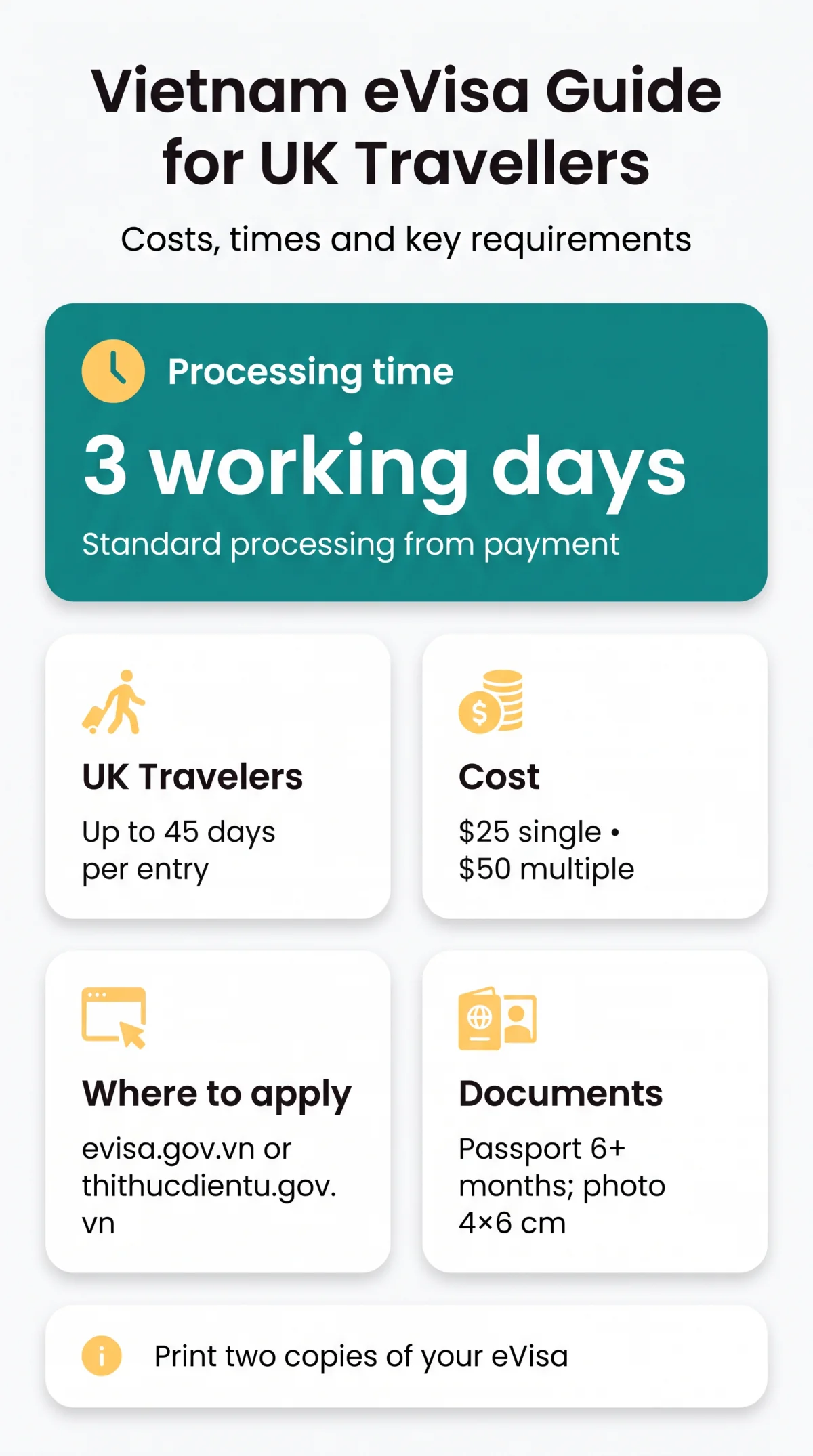
The Vietnam eVisa (electronic visa) is a digital entry permit issued by the Vietnam Immigration Department, valid for up to 90 days with single or multiple entry. It costs $25 USD for single entry and $50 USD for multiple entry, and standard processing takes 3 working days. You apply online at https://evisa.gov.vn or https://thithucdientu.gov.vn, with no embassy visit needed.
This guide is for British travellers planning a trip to Vietnam, and it walks you through every stage: choosing between the eVisa and the free 45-day visa exemption, gathering documents, filling in the form, paying, and entering the country. One thing to know before you start: we’re an independent travel-information portal, not a government service. We don’t take fees or submit applications on your behalf, and you should always confirm current rules on the official portal before you travel.
What Is the Vietnam eVisa?
It’s an electronic visa you apply for entirely online, without visiting an embassy or arranging a visa on arrival. The Vietnam Immigration Department (Cục Quản lý xuất nhập cảnh), under the Ministry of Public Security, issues it after you submit your application through the state portals at evisa.gov.vn and thithucdientu.gov.vn. Both domains took over from the older portal addresses on 11 November 2024.
Since 15 August 2023, citizens of all countries and territories can apply, following Resolution No. 127/NQ-CP. The eVisa covers tourism, business meetings, conferences, visiting friends or relatives, journalism, short-term work or internships (work permit rules apply), investment, religious visits, and transit.
A few groups can’t use the standard eVisa. Official guest delegations, diplomatic and consular personnel, and staff of the UN and intergovernmental organisations (plus their immediate families) apply through Ministry of Foreign Affairs channels instead, under Article 8 of the Law on Entry and Exit.
Do UK Citizens Need an eVisa for Vietnam?
If you hold a British Citizen passport, you don’t need any visa for trips up to 45 days. Immigration stamps your passport with entry and exit dates on arrival, free of charge. Beyond that, or if you plan several entries, the eVisa becomes the right tool.
Here’s how the choice plays out for typical itineraries:
| Your trip | Best option | What you pay |
|---|---|---|
| Up to 45 days per entry | 45-day visa exemption | Free |
| 46 to 90 days, one entry | 90-day single-entry eVisa | $25 USD |
| Stay of 46 to 90 days with several entries | 90-day multiple-entry eVisa | $50 USD |
| Longer than 90 days | Embassy-issued visa | Set by the embassy |
One thing to watch: the exemption is stamped for a fixed window, so a 46-day itinerary with a fixed return flight won’t fit. Count your days before you fly.
eVisa Validity and Entry Types
Your eVisa is valid for up to 90 days, in single-entry or multiple-entry format. You choose the format when you apply, and it’s fixed once issued.
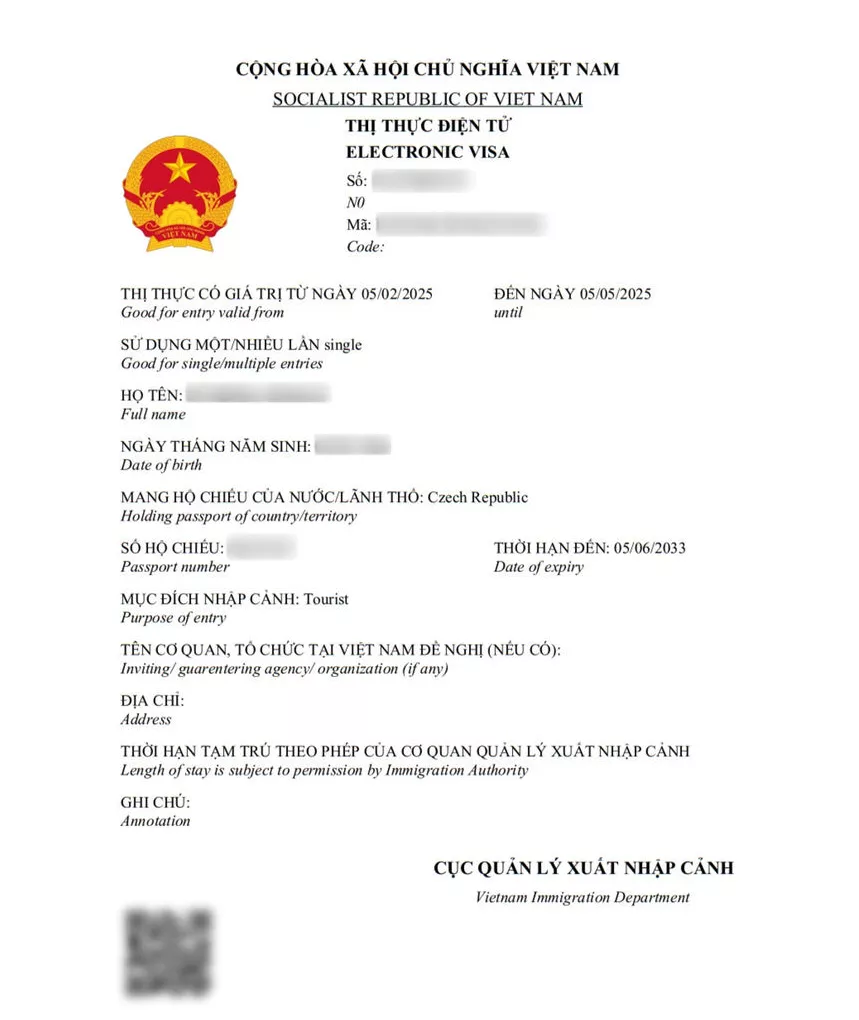
- Single entry covers one arrival; if you leave Vietnam, the eVisa is used up.
- Multiple entry lets you come and go within the 90-day window.
- You can apply up to a year before your intended arrival date.
- Your exit checkpoint doesn’t have to match your entry checkpoint, as long as both are on the list of designated border gates.
You can’t extend an eVisa from inside Vietnam. If you want to stay longer, you leave the country and apply for a new eVisa from abroad, unless an agency, organisation or individual in Vietnam invites or sponsors you for a new visa under Article 16 of the Law on Entry and Exit.
How Much Does the Vietnam eVisa Cost?
The government fee is $25 USD for single entry and $50 USD for multiple entry, paid online by an international card (Visa, MasterCard or JCB). You pay it when you submit the application, not on arrival.
| Entry type | Government fee | Refund if refused? |
|---|---|---|
| Single entry, up to 90 days | $25 USD | No |
| Multiple entry, up to 90 days | $50 USD | No |
The fee is non-refundable in all circumstances, including refusal, cancellation, or mistakes in your own data. And once you submit, you can’t modify the application. If you spot an error afterwards, you submit a brand-new application and pay the full fee again.
That’s why the single most useful habit is checking every field before you pay. It protects the whole fee and several days of waiting.
Paying from the UK: Card Declines and Gateway Errors
Card payments can fail on Vietnam’s payment gateway, usually because the card is not accepted for international online transactions. Work through these scenarios in order:
Enable international payments on your card
Before you start, in your banking app or by calling your bank.
Verify instead of paying again
If your card is charged but no application code arrives, contact the portal’s support straight away to verify the transaction.
Keep every screenshot until your registration code arrives.
Processing Times and When to Apply
The standard processing time is 3 working days, counted from full payment. That’s working days, not calendar days, so weekends and Vietnamese public holidays stretch the real wait.
Applying 10 to 14 days before departure is the practical recommendation, and it gives room for photo checks or a request to fix a field. You can also apply far ahead, up to one year before your planned entry.
One restriction catches people out: you must be outside Vietnam when you apply. Foreigners staying in the country can’t submit an eVisa application, so plan any new application from abroad.
Documents and Photo Requirements
Before you open the form, get these ready. Your passport must be valid for at least 6 months beyond your arrival date and at least 30 days longer than your eVisa’s expiry, with at least 2 blank pages.
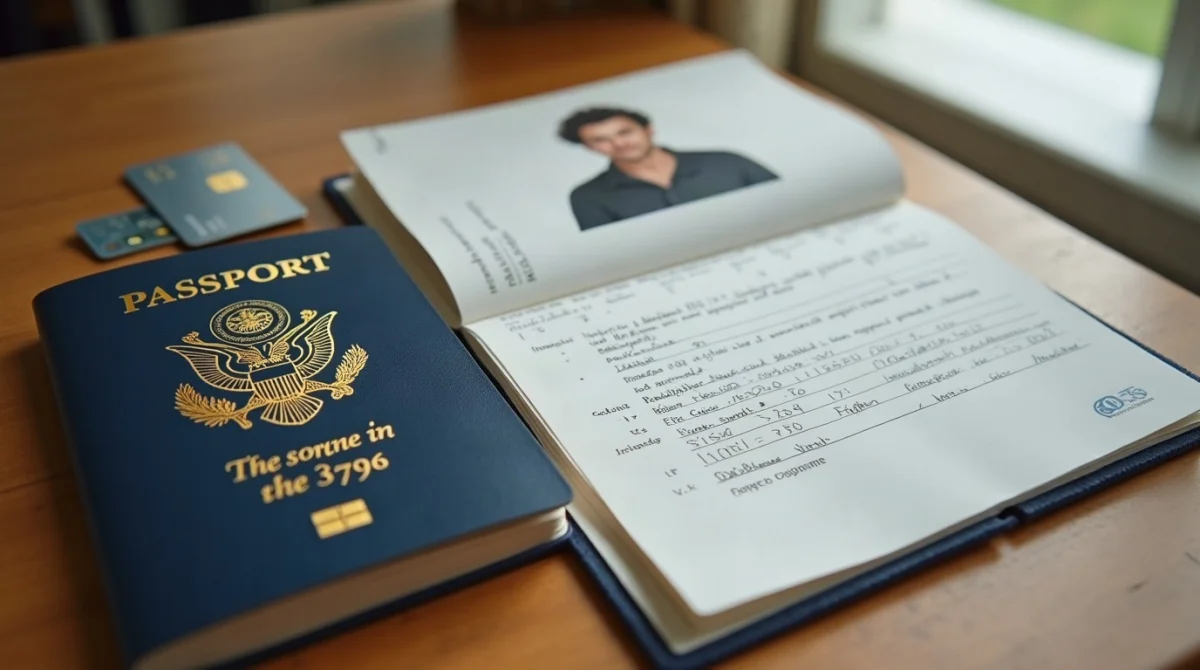
- A digital scan of your full passport biodata page, in JPG or JPEG format, under 2MB, with the two ICAO machine-readable lines visible.
- A digital portrait photo: 4×6 cm, white background, straight gaze, no glasses or headwear, taken within the last 6 months, under 2MB.
- A valid email address for your registration code and the eVisa PDF.
- An international payment card: Visa, MasterCard, or JCB.
- The name and address of your first hotel or homestay in Vietnam.
- Your planned entry and exit dates and the checkpoints you’ll use.
Do the scan in daylight, flat on the passport, with no fingers or glare over the MRZ lines. Don’t crop the biodata page or photograph it at an angle; upload the full page with the machine-readable lines clearly visible.
Step-by-Step Application and MRZ Name Rules
Wrong name spelling and name order are among the most common problems, so start there.
Avoiding Rejection: Matching the Machine-Readable Zone
Your name must match the two lines of machine-readable text at the bottom of your passport’s data page, not just the printed name above it. That’s the ICAO Machine-Readable Zone (MRZ). Enter your full name, including surname, middle name and given name, exactly as it appears on the ICAO line of your passport, in uppercase letters.
The bottom lines show the surname first, then the given names, with the ‘<‘ character standing in for spaces. Copy the surname and all given names exactly as they appear there, including the middle name if it is shown.
Crucial Fields: Dates, Addresses and Checkpoints
- Enter your intended arrival date carefully, and make sure it matches your travel plans.
- Give your first hotel’s full address, including the district and province.
- Select your entry and exit checkpoints from the designated list.
Travelling with children? There is no group visa in Vietnam, so every traveller with their own passport submits a separate application.
After Submitting: Status Tracking and Approval
Once you’ve paid, you track the application with three things: your registration code, the registered email address, and your date of birth. The status shows as under processing, approved or rejected, and the system may email you a request for additional information; answer it promptly. Once the application is submitted, you cannot edit it yourself.
Download the eVisa PDF
When the eVisa is approved, you’ll be able to download it.
Check every detail
Name, dates, passport number, and entry type, before you rely on it.
Print at least two physical copies
One for the airline at check-in and one for border control in Vietnam.
Keep the PDF on your phone too, but don’t rely on it alone. Some checkpoints require a printed A4 copy, so carry one with you.
Which Airports and Borders Accept the eVisa?
Your eVisa is valid at 81 designated international checkpoints: 15 airports, 27 land crossings, and 39 seaports. Two more airports, Long Thanh and Gia Binh, are planned, bringing the future total to 83.
| Type | Count | Key examples |
|---|---|---|
| Airports | 15 | Noi Bai (Hanoi), Tan Son Nhat (HCMC), Da Nang, Cam Ranh, Phu Quoc, Cat Bi |
| Land crossings | 27 | Moc Bai, Lao Cai, Ha Tien, Mong Cai, Cau Treo, Huu Nghi |
| Seaports | 39 | Da Nang, Nha Trang, Hai Phong, Ho Chi Minh City, Duong Dong |
You must enter and exit through checkpoints on this list, but they don’t have to be the same one. Fly into Noi Bai (HAN) and out of Tan Son Nhat (SGN), or cross at Moc Bai and fly home from Da Nang; both work.
At the airport, you present the printed eVisa at the immigration counter and receive your entry stamp. Check that the stamp’s date matches your eVisa. At Tan Son Nhat in Ho Chi Minh City, you’re also encouraged to complete a Digital Arrival Card online before arrival from 15 April 2026, though it is not currently mandatory.
Overstaying, Extensions and Border Runs
You can’t extend an eVisa from inside Vietnam, full stop. If your plans change and you want more time, you have two realistic routes: leave and re-enter on a new eVisa, or obtain a new visa through an invitation or guarantee from an agency, organisation or individual in Vietnam under Article 16 of the Law on Entry and Exit.
| Situation | What happens | What to do |
|---|---|---|
| You overstay by a few days | Fines apply and the authorities can stop you leaving until you pay | Leave as soon as you can |
| You overstay longer | Risk of deportation and a ban on future visits | Contact immigration before your flight |
| You want more time legally | The eVisa can’t be extended; a new visa inside Vietnam is possible only if an agency, organisation or individual sponsors you under Article 16 | Exit, apply for a new eVisa abroad, return |
Exact fine amounts vary by case, so don’t rely on forum figures. The usual route is to exit to a neighbouring country, apply for a fresh eVisa from outside Vietnam, and re-enter through a designated checkpoint.
Common Mistakes and How to Avoid Rejection
Common rejections and lost fees come down to a few fixable errors. Check your application against this list before you pay:
- Your name doesn’t match the MRZ, usually a missing middle name or a dropped hyphen. Copy from the two bottom lines of the biodata page, not the printed name.
- Your photo is over 2MB, or you’re wearing glasses or headwear. Resize the file and retake it against a plain white background.
- Your passport has under 6 months’ validity beyond arrival or fewer than 2 blank pages. Renew the passport first.
- You applied while already inside Vietnam. Foreigners in-country can’t submit; apply before you travel.
- You paid on a site that isn’t a state portal. The state portals use the .gov.vn domain; licensed agencies add a service fee to the government fee, while sites impersonating the immigration authority charge unauthorised fees.
- You paid twice after a gateway error without checking for your registration code. Check your email and proof of debit first.
Each of these costs either the whole fee or several days of waiting, so a careful read-through is the cheapest insurance you’ll buy for this trip.
Frequently Asked Questions (FAQ)
What is the Vietnam eVisa?
It’s an electronic visa issued by the Vietnam Immigration Department, valid for up to 90 days with single or multiple entry. You apply online and receive the eVisa PDF by email. It covers tourism, business, conferences, visiting friends, and transit.
Do I need an eVisa for Vietnam from the UK?
No, not for trips up to 45 days. British Citizen passport holders get a free 45-day visa exemption for tourism or business. You need the eVisa for stays of 46 to 90 days in one entry; otherwise each separate visa-free entry can last up to 45 days.
How much does the Vietnam eVisa cost?
The government fee is $25 USD for single entry and $50 USD for multiple entry, paid by Visa, MasterCard, or JCB. The fee is non-refundable, even if your application is refused or contains errors you need to correct with a new submission.
How long does Vietnam eVisa processing take?
The standard is 3 working days from full payment. Weekends and Vietnamese public holidays add to that, so submitting 10 to 14 days before departure is the practical recommendation. You can apply up to a year ahead.
Which is the government website to apply for the Vietnam eVisa?
The state portals are https://evisa.gov.vn and https://thithucdientu.gov.vn, run by the Vietnam Immigration Department. Sites without the .gov.vn domain are not state portals: some are licensed agencies that add a service fee, others impersonate the immigration authority and charge unauthorised fees.
Can I enter Vietnam through one airport and leave through another?
Yes. Your exit checkpoint doesn’t have to match your entry checkpoint, as long as both are on the list of designated border gates. That includes 15 airports, 27 land crossings, and 39 seaports.
Can I extend my Vietnam eVisa inside the country?
No. You must leave Vietnam and apply for a new eVisa from abroad, unless an agency, organisation or individual in Vietnam invites or guarantees you a new visa under Article 16 of the Law on Entry and Exit. Overstaying carries fines, possible deportation and a ban on future visits, so plan ahead.
Is the Vietnam eVisa fee refundable if my application is refused?
No. The fee is non-refundable under all circumstances, including refusal, cancellation, or mistakes in your data. If you need to correct an error after submitting, you file a new application and pay the full fee again.
Sources and Further Reading
- Vietnam National Electronic Visa FAQs – processing times, status tracking, checkpoint rules, and application questions.
- Vietnam Immigration Department – legacy page with the notice on the move to evisa.gov.vn and thithucdientu.gov.vn.
- Vietnam Portal on Immigration – visa policies and entry/exit regulations.
- UK Foreign Travel Advice: Vietnam Entry Requirements – passport rules, the 45-day exemption, and arrival formalities.
- US Embassy in Vietnam: Visas and Entry/Exit – independent confirmation of eVisa fees and validity.
- Vietnam Embassy in the UK – embassy-issued visas for stays beyond 90 days.
Rules and fees can change, so confirm the details on the state portal at evisa.gov.vn before you apply.